
Many people now treat self care as part of weekly health routines, not an occasional luxury. Body focused services continue growing because people want care that feels intentional, safe, and informed.
Med spas sit at this crossroads, where wellness habits meet medical treatments. Behind calm rooms and gentle messaging, a licensed medical director for med spa services often guides clinical structure and patient safety.
Why Mindful Wellness And Medical Structure Intersect
Mindful wellness encourages awareness, steady routines, and respect for physical limits. Med spas operate within that same space, since treatments affect skin, circulation, hormones, and healing.
Without proper medical structure, even popular treatments can create confusion or risk. Medical guidance supports consistency, clarity, and safe decision making for both patients and providers.
Licensed oversight also reinforces trust. Patients feel calmer knowing protocols follow medical standards instead of trends or assumptions.
Patient Safety Depends On Clinical Standards
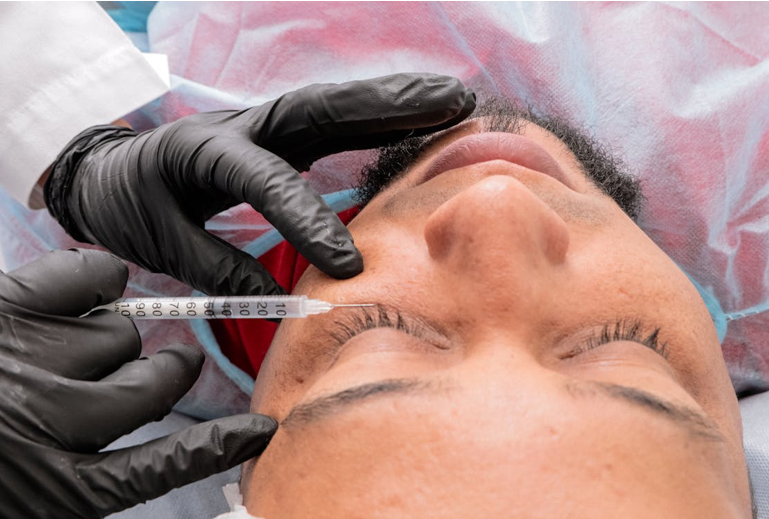
Every injectable, peel, or IV service affects the body in measurable ways. Medical directors review protocols to confirm dosage ranges, contraindications, and emergency responses.
They also verify that treatments match patient histories. This includes medications, conditions, and lifestyle factors that influence outcomes.
According to the U.S. Food and Drug Administration, injectable devices and substances require appropriate clinical oversight to reduce adverse events. https://www.fda.gov
Mindful Care Requires Clear Boundaries
Mindful care respects limits rather than pushing extremes. Medical directors help clinics define treatment boundaries that protect patient health.
They guide providers on when to pause services or recommend medical referrals. This reduces pressure to over treat or rush results.
Clear boundaries support ethical practice. Clinics maintain calm confidence when decisions rely on medical judgment instead of sales goals.
How Medical Directors Support Consistent Wellness Practices
Consistency builds trust in any wellness setting. Medical directors help clinics maintain steady standards across staff, services, and locations.
They review training requirements and confirm proper credentials. This protects patients and helps staff feel confident in their roles.
Consistency also improves patient experience. Clear processes reduce confusion during consultations, treatments, and follow up care.
Protocol Review And Documentation
Medical directors approve treatment protocols before services launch. They confirm alignment with state laws and accepted medical guidelines.
Documentation matters as much as treatment delivery. Directors review consent forms, intake processes, and post care instructions for accuracy.
According to the Centers for Disease Control and Prevention, clear clinical documentation supports patient safety and care continuity. https://www.cdc.gov
Ongoing Clinical Guidance For Staff
Staff questions arise as new treatments appear or patient needs change. Medical directors provide guidance without disrupting daily operations.
They support clinical decision making when unusual cases arise. This prevents guesswork and reinforces a culture of thoughtful care.
Medical access also reduces staff stress. Providers work with clarity rather than uncertainty.
Regulatory Compliance Supports Calm Operations
Compliance may sound administrative, but it directly affects patient care quality. Clinics that follow regulations operate with fewer disruptions.
Medical directors help clinics meet state requirements for supervision, collaboration, and reporting. This reduces risk during audits or inspections.
When compliance runs smoothly, clinics focus on care rather than damage control.
State Laws Shape Med Spa Operations
Med spa regulations vary by state. Some require physician collaboration, while others specify supervision ratios or service restrictions.
Medical directors understand these differences and help clinics adapt accordingly. This avoids accidental violations that disrupt patient services.
Clear compliance also supports expansion. Clinics grow responsibly when structure already aligns with regulations.
Risk Management And Incident Response
Even careful clinics face unexpected events. Medical directors help establish response plans before issues occur.
They guide documentation and reporting when adverse reactions arise. This protects patients and reduces long term liability.
Prepared clinics respond calmly. Patients feel supported rather than alarmed during unexpected situations.
Whole Body Wellness Depends On Informed Care
Wellness involves more than appearance. Many med spa treatments influence circulation, metabolism, hydration, and inflammation.
Medical oversight helps clinics evaluate how services affect overall health. This aligns med spa care with broader wellness goals.
Patients appreciate providers who consider full body impact, not isolated outcomes.
Weight Loss, IV Therapy, And Hormone Services
Services like weight management and IV hydration affect internal systems. Medical directors review protocols to ensure medical appropriateness.
They confirm proper screening before treatment begins. This prevents complications related to dehydration, deficiencies, or medication interactions.
Informed care supports lasting results rather than short term reactions.
Telehealth And Ongoing Monitoring
Many clinics now include telehealth check ins or remote consultations. Medical directors support proper clinical structure for these services.
They guide documentation, consent, and follow up standards. This maintains continuity across in person and virtual care.
Remote monitoring works best with medical oversight. Patients feel supported beyond the treatment room.
Building Trust Through Transparent Medical Support
Trust grows when patients understand who guides their care. Clinics that clearly communicate medical involvement feel more credible.
Medical directors often remain behind the scenes, yet their role shapes every service delivered.
Transparency reassures patients that care decisions rest on medical reasoning, not marketing trends.
Clear Communication With Patients
Medical directors help clinics explain treatment risks and benefits in simple language. This supports informed consent and realistic expectations.
Patients value honesty about outcomes and limitations. Clear communication builds long term relationships.
Mindful wellness depends on trust. Medical clarity strengthens that foundation.
Supporting Long Term Wellness Goals
Medical oversight encourages sustainable care plans. Directors help clinics avoid short term thinking that leads to overuse or burnout.
Patients benefit from gradual, well planned approaches. This mirrors mindful wellness principles that value consistency and patience.
Long term care succeeds when medical guidance supports every step.
A Calm Foundation For Responsible Med Spa Care
Med spas thrive when wellness values meet medical structure. Thoughtful care relies on clear protocols, licensed oversight, and steady guidance.
Medical directors support patient safety, staff confidence, and regulatory stability. This creates an environment where mindful self care feels secure.
When medical structure stays strong, wellness practices remain grounded, responsible, and aligned with long term health.
 Bradley Frankirly is a distinguished article writer at Body Care And Matter, bringing a unique perspective to the world of health and wellness journalism. With a keen eye for detail and a passion for storytelling, Bradley crafts articles that resonate deeply with readers, offering both informative content and a relatable narrative.