You bought new sneakers in March. You scheduled your first gym session. You even meal-prepped for a week.
Then May rolled around and your workout clothes were back in the drawer.
I’ve seen this happen hundreds of times. Not in theory. In exam rooms.
In follow-up calls. With people who genuinely want to feel better. Not look a certain way.
This isn’t about willpower. It’s about systems that fit real life.
These aren’t fad tips. No juice cleanses. No 5 a.m. burpee challenges.
Just evidence-informed, doctor-tested ways to move more, recover well, and keep going. Without burning out.
I help patients build habits that stick. Not ones they quit after six weeks.
That means walking meetings. Strength work you do at home. Rest that counts as much as reps.
And yes (some) days it’s just standing up every hour. That still counts.
Shmghealth Fitness Hacks From Springhillmedgroup is what happens when clinical experience meets actual human behavior.
No gym required. No gear needed. No shame if you missed yesterday.
What you’ll get here are clear, safe, repeatable moves (not) motivation speeches.
You’re not failing. You’re just using the wrong playbook.
Let’s fix that.
Start Where You Are: No Judging, Just Noticing
I look at readiness like checking the oil before a road trip. Not dramatic. Not emotional.
Just practical.
You don’t need a lab test to know where you stand. I check four things: energy (do I crash by 3 p.m.?), joint comfort (does my knee click and complain?), daily movement (how many times did I sit for over an hour today?), and sleep (did I wake up rested (or) just awake?).
Shmghealth has a no-BS version of this. It’s not about scoring points. It’s about spotting patterns.
Here’s your 3-question gut check:
Can you walk 20 minutes without stopping? Do stairs feel harder than last month? Does standing from a chair require a little push-off?
If two or more feel shaky. Pause. Not stop.
Just pause.
Red flags mean call your doctor before starting anything new: dizziness on exertion, chest pressure, sudden swelling in a joint, or pain that wakes you up.
My first-week plan is boring on purpose: two 10-minute walks. One mobility routine (just) 7 minutes, no music, no timer obsession. Do it same time each day.
Consistency beats intensity every time.
Mobility routine means moving joints through their natural range (not) stretching like a rubber band.
You’re not behind. You’re not broken. You’re just human.
And humans start where they are.
That’s it. No hype. No guilt.
Just showing up.
Move Smarter, Not Harder: Integrating Movement Into Daily Life
NEAT is what you do when you’re not working out. It’s standing while reading email. It’s pacing the hallway between classes.
It’s choosing the farthest parking spot and actually walking.
I used to think NEAT was just buzzword fluff (until) I tracked my own steps. Turns out, those tiny choices add up faster than a 45-minute spin class on paper.
Standing desk? Raise it. Then lower it.
Then raise it again every 20 minutes. Your back will thank you (and your hips won’t lock up like a rusty hinge).
Walking meetings work. Even if it’s just around the building. Even if you look slightly ridiculous doing it.
Try it once. You’ll feel sharper. Your voice will sound less monotone.
Here’s a 5-minute desk-to-floor sequence:
Neck rolls. Slow, no jerking. Seated spinal twist (keep) both sit bones grounded.
Ankle circles (both) directions, both feet.
Do it before lunch. Do it after Zoom fatigue hits. Don’t wait for “perfect” time.
Short bursts beat long sessions (for) insulin sensitivity, circulation, and staying upright past 60. Science says so (look up Diabetes Care, 2021).
A teacher I worked with added 1,200 steps/day just by pacing the hallway. No gear. No schedule change.
Just decision stacking.
That’s the real hack. Not more sweat. More movement.
The Shmghealth Fitness Hacks From Springhillmedgroup guide nails this. It’s practical, not preachy.
Fuel Your Effort: Real Food, Not Hype
I drink water before I even tie my shoes. Not after. Not during. Before.
You’re already thirsty by the time you feel it. (And no, coffee doesn’t count as hydration.)
Protein isn’t a post-workout trophy. It’s breakfast, lunch, and dinner. Spread it out.
A palm-sized portion at each meal keeps your muscles fed (not) in a rush, not all at once.
Carbs aren’t the enemy. But “carb loading” before a 45-minute walk? That’s nonsense.
You don’t need pasta the night before a yoga class. (Unless you love pasta. Then eat it.
But not because you think it’s “required.”)
Here’s what actually works:
I wrote more about this in Shmghealth Fitness Guide by Springhillmedgroup.
½ cup cooked oats + a palm-sized portion of lean protein + ¼ avocado. That’s pre-walk fuel. Done in 3 minutes.
Post-workout shakes? Skip them unless you’re training twice a day or doing endurance work over 90 minutes. Most adults just need real food.
Like apple + 1 tbsp almond butter. Or Greek yogurt + berries. Or whole grain toast + egg.
All under 2 minutes.
This guide breaks down exactly how much to eat (and) when. Without jargon or gimmicks. read more
Shmghealth Fitness Hacks From Springhillmedgroup? Yeah, I’ve seen the list. Skip the “hacks.” Focus on timing, portions, and real ingredients.
Fiber-rich carbs before effort? Yes. Protein every few hours?
Yes. Hydration before you start? Non-negotiable.
Recovery Is Active. Not Passive
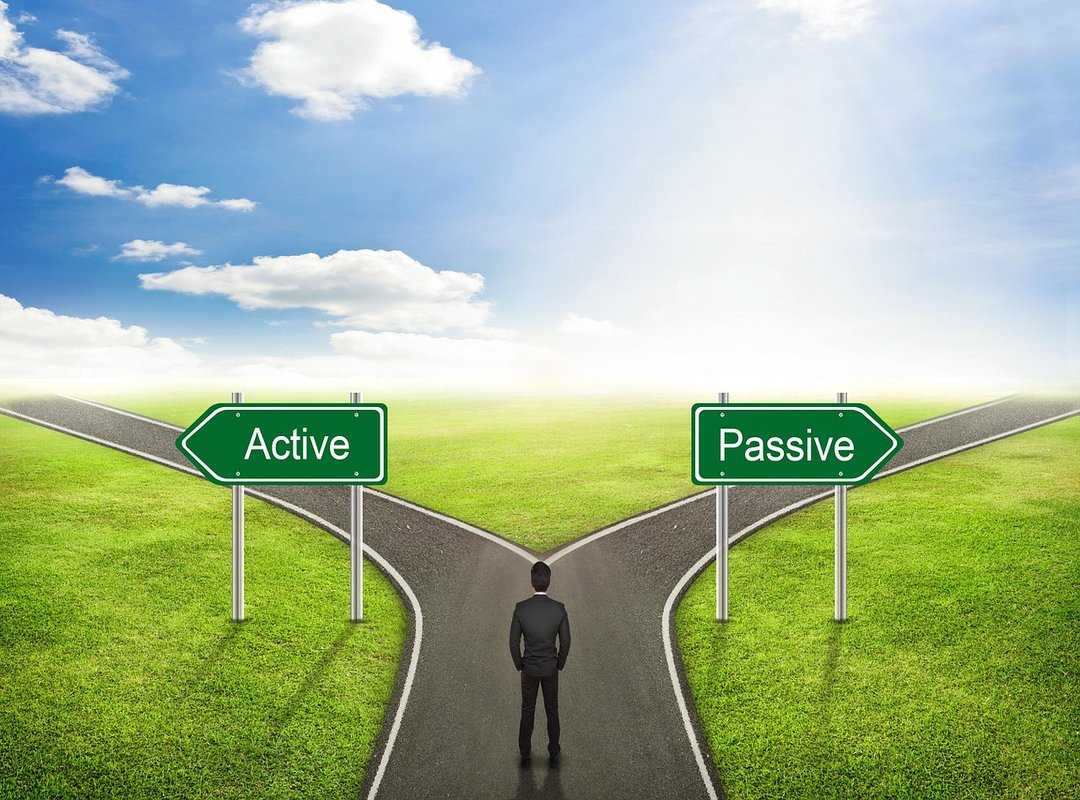
Recovery isn’t just sleep. It’s active rest. It’s what rebuilds muscle, resets your nervous system, and keeps you showing up week after week.
I used to skip it. Then I stalled for six weeks. My lifts flatlined.
My mood tanked. My resting heart rate crept up 8 BPM. That’s when I paid attention.
Try this: 5 minutes of diaphragmatic breathing. Sit tall. Breathe in through your nose for 4 seconds.
Hold for 2. Exhale slow through your mouth for 6. Repeat.
Do it right after your workout. Or when you’re scrolling and realize you’ve been holding your breath for 90 seconds. (Yes, I check.)
Foam roll your quads, calves, and glutes. 60 seconds per area. Light pressure first. If it’s agony, back off.
You’re not auditioning for a Tough Mudder.
Signs you’re under-recovered? Irritability. Stalled progress.
Waking up tired after 8 hours. Resting heart rate up 5+ BPM for 3 days? Drop volume.
Add a full rest day. Or swap strength for light movement and breathwork.
Here’s my weekly rhythm: Tuesday and Wednesday. Light walk + breathing. Friday.
Full rest or gentle yoga. Sunday. Assess.
Adjust.
You don’t earn recovery by grinding harder. You earn it by doing less. On purpose.
That’s the core idea behind Shmghealth Fitness Hacks From Springhillmedgroup.
Track Progress Beyond the Scale: Real Metrics That Stick
I stopped weighing myself every day in 2019. Not because I gave up. Because the scale lied to me for three months straight while my energy, sleep, and mobility improved.
Here’s what I track instead:
- How easy stairs feel
- How long I sleep (not just if I fall asleep)
- When afternoon fatigue lifts
- Mood swings. Fewer, shorter, less intense
- Joint stiffness after sitting
That last one? It’s a quiet win. My knees used to crack like popcorn.
Now they don’t complain until I’ve been on my feet for over two hours.
I print a simple 2-week tracker. Just checkboxes and space for notes like “Walked dog without stopping to catch breath.”
Why does this work better than weight? Because mastery experiences build self-efficacy (that’s) Bandura’s research, not my opinion. Every time you notice real change, your brain believes you can do more.
But don’t log six things daily. Pick two or three. Review once a week.
Not every night. Over-tracking kills momentum.
You’ll find more practical tools like this in the Shmghealth Fitness Hacks From Springhillmedgroup collection. The Shmghealth page has printable versions and behavioral tips grounded in actual clinical practice.
You’re Already Ready to Move
I’ve seen it a hundred times. You start strong. Then life happens.
Expectations crash. Motivation fades.
That’s not your fault. It’s bad design.
Shmghealth Fitness Hacks From Springhillmedgroup doesn’t ask you to overhaul your life. It asks you to notice one thing.
Ready to move? Good. Not ready?
Also good. That’s what the readiness assessment is for.
You don’t need perfect nutrition. You need food that fuels you. You don’t need more sweat.
You need movement that fits your day. Recovery isn’t lazy. It’s how your body learns.
So pick one tip from section 1 or 2. Do it for three days. No tracking.
No judgment. Just feel it.
What changes when you stop fighting yourself?
Fitness isn’t about becoming someone new (it’s) about honoring who you are, right now, and moving forward with kindness and clarity.
 Edward Strzelecki is a valued article writer at Body Care And Matter, known for his straightforward and accessible approach to health and wellness topics. With a focus on clarity and practicality, Edward's writing provides readers with easy-to-understand information that they can apply in their daily lives.