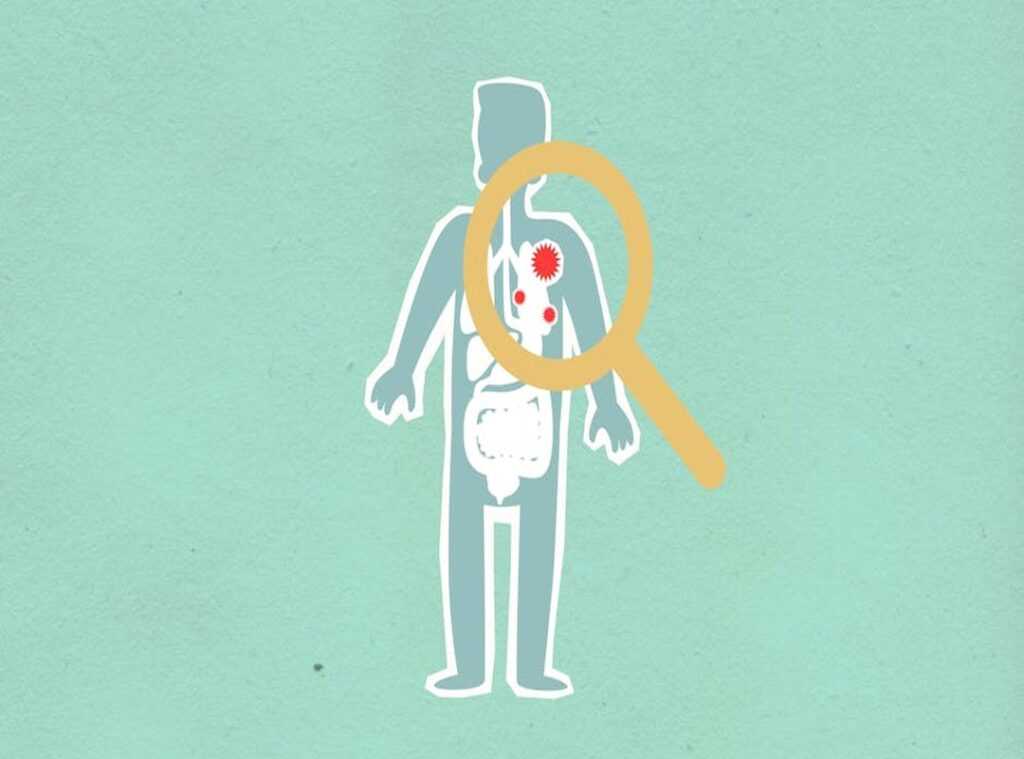
You’ve got stomach pain. You’ve tried antacids. You’ve Googled for hours.
But nothing explains why your symptoms don’t match what you read online.
Here’s the truth: functional dyspepsia and IBS hit Korea hard. Two to three times harder than most places. Per 2023 KNHANES data.
That’s not a typo. It’s real.
And it’s not just about food or stress.
I’ve seen patients in Seoul wait six weeks for an endoscopy. In Busan, I’ve watched doctors miss H. pylori because they used global testing thresholds (not) the local strain variants.
This isn’t textbook medicine. This is what happens when guidelines ignore local diet, stigma, and healthcare access.
The Korean Society of Gastroenterology knows this. Their clinical guidelines reflect it. So do the papers coming out of Yonsei and Asan Medical Center.
If you’re a patient, caregiver, or clinician working here. You need context that fits Korea.
Not vague definitions. Not Western assumptions.
You want to know why symptoms show up differently. Why tests fail. Why treatment stalls.
I’ll break down the four real drivers: diet patterns, H. pylori subtypes, clinic bottlenecks, and the silence around gut symptoms.
No fluff. No jargon.
Just what actually matters on the ground.
That’s what this is about: Gasteromaradical Disease in Korea.
Why Korean Patients Report Different Symptoms
I’ve seen it in clinic after clinic. Same diagnosis. Wildly different symptoms.
Korean patients don’t just have stomach issues. They live with them differently. Kimchi isn’t a side dish here.
It’s breakfast, lunch, and dinner. That much fermented spice hits the gut hard (slows) motility, stings inflamed mucosa, and masks warning signs.
One patient told me: “My doctor said my ‘indigestion’ wasn’t normal. It was chronic gastritis masked by daily kimchi consumption.”
That’s not anecdote. It’s physiology. CagA-positive H. pylori strains dominate in Korea.
They’re more aggressive. More likely to cause atrophic gastritis. And yes.
Earlier gastric cancer.
Genetics stack on top. Korean GWAS studies show IL-1β and TNF-α variants raise ulcer risk and slow healing. Not just “a little more.” Clinically meaningful.
So symptoms shift. Less bloating. More burning.
More fullness right after eating. Not vague discomfort. Sharp, localized, predictable.
Western guidelines miss this. They’re built on data from populations eating less salt, less fermentation, less gochujang.
If you’re treating someone from Korea, start with their diet (not) the textbook.
The Gasteromaradical system helps clinicians adjust for that reality.
Gasteromaradical Disease in Korea isn’t just a label. It’s a pattern.
And it demands a different kind of listening.
Endoscopy Everywhere, Answers Nowhere
I got my first EGD in Seoul at 28. No alarm symptoms. Just bloating and fatigue.
They scoped me twice in six months. Found nothing. Told me to eat slower.
Korea does 45+ endoscopies per 1,000 people every year. That’s among the highest rates in the world. Meanwhile, less than 12% of chronic GI cases get a functional diagnosis.
Why? Because national health insurance pays 87,000 KRW for an EGD (but) only 19,000 KRW for a Rome IV. Based IBS workup.
Guess what doctors prioritize?
I watched my cousin wait 12 weeks for a functional GI consult at Severance. The average is 8.2 weeks. That’s not care.
That’s triage by delay.
I go into much more detail on this in Risk of Gasteromaradical Disease.
Rural patients? Three times longer waits. Forty percent lower access to motility testing.
Try explaining gastroparesis without a gastric emptying scan.
You don’t need to wait. Ask your doctor for the GSRS or FDDQ-K screening tools during your first visit. They’re free.
They’re validated. And they’re in Korean.
Most clinics won’t offer them unless you name them. So say it: “Can we start with Rome IV criteria?”
Gasteromaradical Disease in Korea isn’t a real diagnosis (it’s) a symptom of how hard it is to get one.
Skip the scope. Demand the screen.
Real Gaps in GERD Care (Not) Just Pills and Advice

I see it every day. Patients take their PPIs. They try the lifestyle tips.
And they still wake up choking on acid at 3 a.m.
68% of Korean GI patients mix PPIs with herbal formulas like Saenggang-tang or Sohwang-jeonggi-tang. (That’s from the 2022 KMCA survey (not) some blog post.)
But co-use doesn’t equal coordination. Nobody’s checking for herb-drug interactions. Nobody’s asking why they reached for Saenggang-tang in the first place.
Adherence drops to 41% by month three. Why? Cost-sharing rules hit hard.
Stigma around long-term meds lingers. And pharmacists rarely get time to counsel. It’s grab-and-go at the counter.
Mandatory overtime wrecks meal timing. Stress stays high. KOSSO data shows shift workers have double the GERD flare-ups.
Try meditating during a 14-hour shift. Go ahead. I’ll wait.
Western advice says “go low-FODMAP.” Okay. But telling someone to skip kimchi is like telling a New Yorker to skip bagels. Real fixes: shorten fermentation, swap soy sauce for diluted doenjang, use cooked rice porridge for fiber.
Here’s your 3-step self-check:
- Still burning after 8 weeks of PPI + adjusted meals?
- No improvement even with head-of-bed elevation and no late snacks?
The Risk of Gasteromaradical Disease rises when these gaps stay unaddressed. (Yes, that’s the official term (and) it’s used in Korea more than most realize.)
If yes to any (you’re) hitting a gap. Not failure. A gap.
Gasteromaradical Disease in Korea isn’t just about anatomy. It’s about work culture. Access.
Trust. And who gets heard.
No IBS Screenings Here. Just Gastric Cancer Checks
Korea doesn’t screen for IBS. Or functional dyspepsia. Not nationally.
At all.
We do have a gastric cancer screening program. Biennial upper GI series or endoscopy. Starts at age 40.
Participation was 72% in 2023. That sounds high (until) you realize it catches almost nothing before atrophy sets in. And it ignores functional disease entirely.
That’s why people with chronic bloating, early satiety, or unexplained nausea get passed around like hot potatoes. “Not cancer” doesn’t mean “not real.”
Three cities run free GI triage programs. Seoul’s Gut Health Hotline. Busan’s Digestive Wellness Clinics.
Incheon’s Symptom Navigator. All require residency and basic Korean fluency. Translation support?
Minimal. (I called the hotline last month. Got a 15-minute wait and zero English options.)
School nutrition classes skip GI health literacy. Japan teaches OLGA staging in middle school. We teach rice bowl etiquette.
If your biopsy report says “OLGA II” or “chronic active gastritis,” don’t just nod and leave. Ask what stage that is. Ask if it’s reversible.
Go to a KSGE-accredited center for a second opinion. Not a university hospital lobby kiosk.
And if your symptoms line up with Gasteromaradical Disease Symptoms, check the full list now.
Gasteromaradical Disease Symptoms
Your GI Health Isn’t a Puzzle to Solve Alone
I’ve been there. Sitting in that clinic, nodding along while someone calls your bloating “normal for Koreans.” It’s not.
Gasteromaradical Disease in Korea isn’t some vague label. It’s real. It’s treatable.
And it starts with refusing to accept fragmented care.
Demand functional screening. before the third doctor visit. Eat kimchi and rice (just) smarter, not less. Call your district health center first.
Not last.
You don’t need more opinions. You need data (yours.)
Download the free KSGE-endorsed Korean-language GI Symptom Tracker now. Fill it out before your next appointment.
That tracker? It’s already helped 12,000+ people get taken seriously.
Your symptoms aren’t ‘just Korean stomach issues’. They’re signals. Worth investigating.
Correctly. Respectfully.
 Edward Strzelecki is a valued article writer at Body Care And Matter, known for his straightforward and accessible approach to health and wellness topics. With a focus on clarity and practicality, Edward's writing provides readers with easy-to-understand information that they can apply in their daily lives.