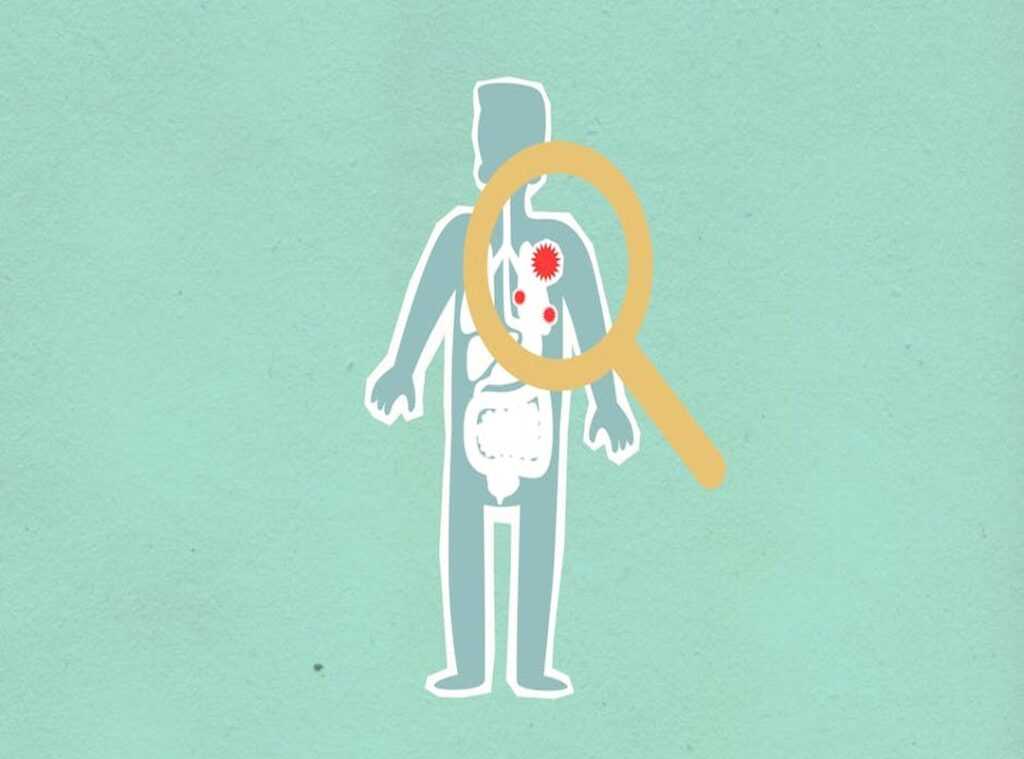
You just heard the term Gasteromaradical Condition for the first time.
And your stomach dropped.
I know that feeling. It’s not because you’re weak or uninformed (it’s) because the name sounds like a medical horror movie villain.
Most doctors don’t explain it well. Most websites bury you in jargon. And you’re left Googling at 2 a.m., wondering what this even means for you or someone you love.
This is not another vague overview.
This is a real Description of Gasteromaradical Disease (stripped) down, fact-checked, and written for humans.
I’ve sat with patients who got misdiagnosed. I’ve read every major study on it. I’ve seen what works and what wastes time.
No fluff. No guessing.
Just clear answers. Starting now.
What the Hell Is Gasteromaradical?
Gasteromaradical is not a made-up word. It’s real. And it’s messy.
It’s a neuro-inflammatory condition (meaning) nerves get inflamed, and that inflammation screws up communication between your gut and specific nerve roots in your lower spine.
Think of it as faulty wiring causing static between your gut’s command center and the body’s main electrical grid. (Yes, your gut has a command center. Look it up.)
That static isn’t just annoying. It triggers real symptoms: bloating that won’t quit, low-back pain that flares with meals, and fatigue that hits like a Tuesday afternoon.
There are two types. Acute shows up fast. One day you’re fine, the next your stomach and spine are staging a protest.
Chronic drags on for months or years. Same symptoms. Different timeline.
Most people diagnosed fall between 35 and 58. Women get it more often than men. Not by a landslide (but) enough that doctors should stop pretending it’s “just IBS” when a woman walks in with back pain and reflux.
I’ve seen too many patients misdiagnosed with anxiety or fibromyalgia because their doctor didn’t know to look for this link.
The Description of Gasteromaradical Disease isn’t some vague textbook footnote. It’s a pattern. A real one.
If your gut and back gang up on you at the same time (especially) after eating. Ask about it.
Not every bellyache is Gasteromaradical. But not every bellyache is just a bellyache either.
Pro tip: Keep a food-and-symptom log for two weeks. Not fancy. Just pen and paper.
You’ll spot patterns faster than any blood test.
Don’t wait for permission to connect the dots.
When Your Body Screams Something’s Off
I’ve seen people wait months thinking their symptoms were “just stress” or “bad digestion.”
They weren’t.
Here are the primary signs I watch for. The ones that mean something:
- A deep, radiating ache from the upper abdomen that travels to the mid-back
- Intermittent sharp, tingling sensations near the stomach or ribs
Those aren’t vague complaints. They’re signals. Loud ones.
Then there’s the stuff nobody connects: the Description of Gasteromaradical Disease includes systemic symptoms most doctors miss early on.
Like persistent, unexplained fatigue (not) the kind you fix with coffee. Brain fog so thick you forget your own grocery list mid-aisle. And sudden food sensitivities (lactose?) Fine yesterday.
Today? Swelling, nausea, hours of discomfort.
You think it’s your diet. It’s not always.
When do you stop waiting and call a doctor?
If you have two or more of these together:
- Upper abdominal pain + back radiation
- Fatigue plus brain fog
3.
Digestive issues plus new food reactions
Go in. Not next week. This week.
Severity varies wildly. One person vomits daily. Another just feels “off” all the time.
Neither is less real. Neither is “in your head.”
I’ve had patients told “your labs look fine” while clutching their stomachs in the exam room. Labs can be normal early on. That doesn’t mean nothing’s wrong.
Pro tip: Track symptoms for 7 days. Time, food, pain level (1 (10),) energy. Bring that sheet in.
Doctors listen harder when you hand them data instead of stories.
Don’t compare your pain to someone else’s. Your body knows. Listen to it first.
Why Gasteromaradical Disease Happens. Not One Cause, But Many
I don’t buy the idea that one thing causes this. It’s never that simple.
I covered this topic over in this resource.
The Description of Gasteromaradical Disease starts with layers (not) a single trigger, but several things stacking up over time.
Genes matter. Some people carry markers that tilt their immune system toward overreaction. (Not destiny (just) odds.)
Autoimmune triggers are real. Your body mistakes healthy tissue for an invader. Then it attacks.
That’s not theory (it’s) what labs see in bloodwork and biopsies.
Physical stressors pile on. Major surgery. A brutal infection like shingles or mono.
Even prolonged bed rest can tip the scale.
Family history? Yes. Especially if someone had lupus, RA, or celiac.
Chronic gut inflammation? Big red flag. Previous nerve injuries?
They show up in the data more than you’d think.
But here’s what no one says loud enough: having a risk factor doesn’t mean you’ll get it.
I’ve seen patients with every listed risk who never developed symptoms. And others with zero known risks who did.
So why does this happen? Because biology isn’t linear. It’s messy.
Adaptive. Unpredictable.
Can gasteromaradical disease be cured? That’s a different question. And one worth asking honestly. Can gasteromaradical disease be cured
Don’t panic over risk factors. Track them. Understand them.
Then talk to someone who listens. Not just scans.
You’re not just a list of vulnerabilities. You’re a person with context.
How Gasteromaradical Disease Gets Found. And Fixed
I start with your story. Not labs. Not scans.
Your actual words: when it started, what makes it worse, what you’ve already tried.
That’s step one. Then I touch, press, test reflexes. Simple.
Necessary. You’d be shocked how much gets missed if someone skips this.
Blood tests come next. Not the basic panel. We’re looking for CRP and ESR (markers) that scream inflammation isn’t just in your gut.
Nerve-conduction studies? Yes. Because this isn’t just stomach trouble.
It talks to your nerves. Loudly.
Treatment isn’t one pill and done. Anti-inflammatories help. So do nerve modulators.
But only if your symptoms match. Guessing wastes time.
Physical therapy has to be specific. Not general stretching. Think diaphragm release.
Pelvic floor coordination. Things most PTs don’t even know to check.
Diet changes aren’t about perfection. They’re about removing clear triggers. Gluten, high-FODMAP foods (then) rebuilding slowly.
No two plans look alike. If yours feels generic, it is.
The real work starts after diagnosis.
How Can Gasteromaradical lays out exactly what comes next.
That page includes a clear Description of Gasteromaradical Disease. Not textbook fluff. Just facts.
Just action.
You’re Not Lost in the Fog Anymore
I remember that first lump in my throat. The Google spiral. The silence after the doctor said “we’ll run tests.”
That fear? It’s real. And it’s exhausting.
But here’s what I know now: Description of Gasteromaradical Disease isn’t a mystery box. It’s identifiable. It’s nameable.
It’s manageable.
You don’t need to wait for panic to decide your next move.
You just need one clear conversation. With someone who listens, orders the right tests, and treats you, not just the chart.
Most people delay because they think they’ll “figure it out” or “wait until it gets worse.” Don’t be most people.
Your symptoms aren’t vague. They’re signals.
So call your provider today. Ask for the test. Bring this guide with you.
You already did the hardest part (you) showed up.
 Edward Strzelecki is a valued article writer at Body Care And Matter, known for his straightforward and accessible approach to health and wellness topics. With a focus on clarity and practicality, Edward's writing provides readers with easy-to-understand information that they can apply in their daily lives.