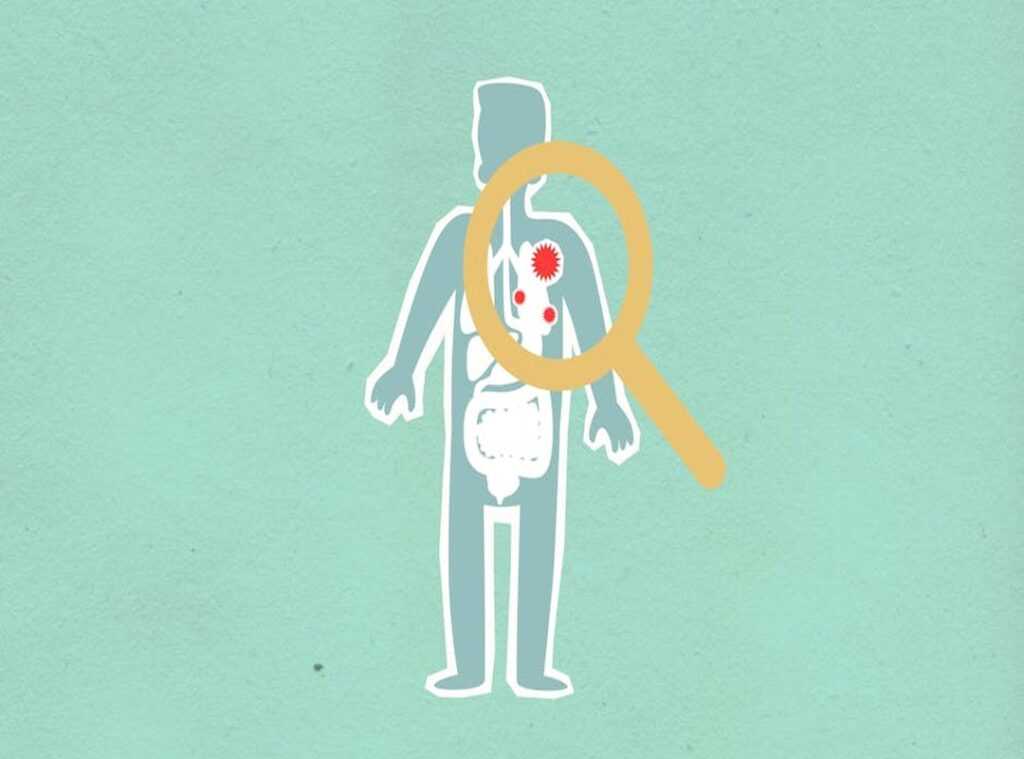
You’ve had that moment. Stomach pain. Bloating.
Diarrhea or constipation. Sometimes both in the same day.
And then you Google it.
What comes back? A wall of jargon. Conflicting advice.
Doctors who rush through appointments.
I’ve seen it too. Hundreds of people asking the same question: What does any of this actually mean?
This isn’t about diagnosing yourself. It’s about cutting through the noise so you understand what Gasteromaradical Disease really is (not) what some blog says it is.
I’ve spent years translating medical language into plain talk. Not fluff. Not fear.
Just facts you can use.
You’ll get a clear map: common symptoms, real causes, and how conditions actually connect.
No hype. No guesswork.
Just the foundation you need before your next doctor visit.
Your Gut Isn’t Just a Tube. It’s a Whole System
I think of the gastrointestinal tract as a long, winding factory line. Food enters at one end. Stuff gets broken down.
Nutrients get pulled out. Waste gets shipped out.
It’s not just a pipe. It’s got muscles, nerves, enzymes, bacteria (all) working together.
A gastrointestinal health condition is anything that throws a wrench in that system.
Food poisoning? That’s acute. Hits hard.
Goes away in a few days. You’re back to normal.
Crohn’s disease? That’s chronic. It doesn’t quit.
You learn how to live with it. Day in, day out.
Some GI conditions are mild. Like occasional bloating after dairy. Others are severe.
Like strictures or malabsorption that change how you eat, work, even think.
I’m not sure why some people get lifelong gut issues while others never have a problem. Genetics? Environment?
Luck? Maybe all three.
The term this guide Disease sounds extreme. And honestly, it is. It’s not common.
But if you’ve been told you have it, go read the full breakdown: Gasteromaradical.
Don’t guess. Don’t Google for hours.
Get clear info. Then act.
Your gut doesn’t negotiate.
Gut Problems: What’s Really Going On?
I’ve had IBS since college. Not the “oh I ate bad sushi” kind. The real kind.
The kind that makes you map every bathroom within a five-block radius.
Functional GI Disorders mean your gut looks fine on scans (but) acts like it’s got opinions. IBS is the poster child here. Bloating.
Gas. Cramps that hit like a surprise pop quiz. Diarrhea or constipation.
Or both, back and forth, like it’s playing favorites. No inflammation. No damage.
Just misfiring nerves and stubborn muscles. It’s frustrating as hell because doctors say “it’s not serious”. But try explaining that to your boss when you’re sprinting to the restroom mid-meeting.
Structural disorders? That’s where something’s built wrong. Hemorrhoids.
Diverticulosis. A kink, a pouch, a bulge. Something physical you can see or feel.
These don’t always hurt. Sometimes they just… exist. Until they don’t.
Inflammatory disorders are different. This is where the immune system turns on your gut. Crohn’s Disease can flare anywhere from mouth to anus.
Ulcerative Colitis sticks to the colon and rectum. That difference matters. a lot (when) picking treatment. Skip that detail and you’ll get the wrong meds.
I learned that the hard way.
GERD? Acid reflux. Not glamorous (but) 20% of adults deal with it weekly.
Celiac Disease? It’s not a fad diet. It’s an autoimmune reaction to gluten.
Real damage. Real consequences.
And then there’s this guide Disease. Don’t Google it. It doesn’t exist.
Someone made it up. Probably for SEO. (Yes, I checked.)
You don’t need fancy labels to know something’s off. You feel it. You track it.
You adjust.
Pro tip: Keep a food + symptom log for two weeks. Not forever. Just long enough to spot patterns.
Most people quit after three days. Don’t be most people.
Gut Signals You Can’t Afford to Tune Out

I’ve ignored stomach pain before.
Big mistake.
Here’s what I watch for. And what you should too:
- Persistent abdominal pain or cramping (not the “ate-too-fast” kind)
- Chronic bloating and gas that lasts more than a few days
- Bowel habit changes: diarrhea or constipation that sticks around for two weeks or more
- Heartburn that doesn’t budge with antacids
- Nausea that shows up daily, not just after bad sushi
- Vomiting that happens more than once without a clear cause
You know that feeling when your gut feels off, but you shrug it off? Yeah. Don’t do that.
Some symptoms are red flags. Not “maybe call your doctor next week” flags. Unexplained weight loss (like) 10 pounds in a month, no diet or exercise change. Blood in the stool (bright) red or tar-black.
Don’t ignore either. Difficulty swallowing (food) getting stuck, not just choking on a dry cracker. Severe and sudden abdominal pain (the) kind that drops you to your knees.
Fever with belly pain (that’s) your body screaming something’s wrong.
These aren’t “wait-and-see” moments.
They’re “go now” moments.
I waited six weeks with blood in my stool once. Turns out it wasn’t hemorrhoids. It was something worse.
And fixable only because I finally went in.
That’s why I built the Gasteromaradical guide. Not as a diagnosis tool. As a gut-check list (literally.)
Gasteromaradical Disease isn’t a term your doctor will use.
But it is shorthand for patterns that add up to serious trouble.
If you’re checking three or more items off that list above? Don’t Google it for another hour. Call your provider.
Your gut doesn’t lie.
It just waits until you listen.
Why Your Gut Acts Up: No Single Answer
I’ve spent years watching people chase one cause for their GI issues.
Spoiler: there isn’t one.
GI conditions don’t follow a script. They stack. Genetics load the gun.
Lifestyle pulls the trigger. And your gut microbiome? It’s the quiet witness (sometimes) helping, sometimes making things worse.
If you have IBD or celiac disease in your family, your odds go up. Not guaranteed (but) higher. That’s genetics.
Plain and non-negotiable.
Diet matters. A lot. High-fat, low-fiber meals?
They slow things down. Constipation creeps in. Inflammation spikes.
You know that sluggish feeling after Thanksgiving dinner? Multiply that by months.
Exercise helps move things along (literally.) Stress? It shuts down digestion like flipping a switch. Ever notice how your stomach knots up before a big meeting?
That’s not imagination.
Then there’s dysbiosis. That’s when your gut bacteria get out of balance. Too many troublemakers.
Too few helpers. It shows up in IBS, IBD, even acid reflux.
We still don’t know exactly why dysbiosis starts (or) why it sticks around for some people and not others.
Gasteromaradical Disease is rare. But its risk factors overlap with more common GI problems (which) means understanding them helps you, right now.
Want to see how lifestyle choices connect to real-world risk? Check out the Risk of Gasteromaradical Disease page. It’s not theoretical.
It’s grounded.
Your Gut Isn’t Guessing (You) Don’t Have To Either
I’ve been there. Waking up unsure what your stomach will do today.
That uncertainty? It’s exhausting. And it’s not normal.
Understanding your symptoms is the real first step (not) another supplement, not another diet.
Gasteromaradical Disease needs clarity, not confusion.
Grab a notebook. Write down what you eat and how you feel. Every day.
Then call your provider. Tell them what you’ve seen.
You deserve answers. Start now.
 Edward Strzelecki is a valued article writer at Body Care And Matter, known for his straightforward and accessible approach to health and wellness topics. With a focus on clarity and practicality, Edward's writing provides readers with easy-to-understand information that they can apply in their daily lives.